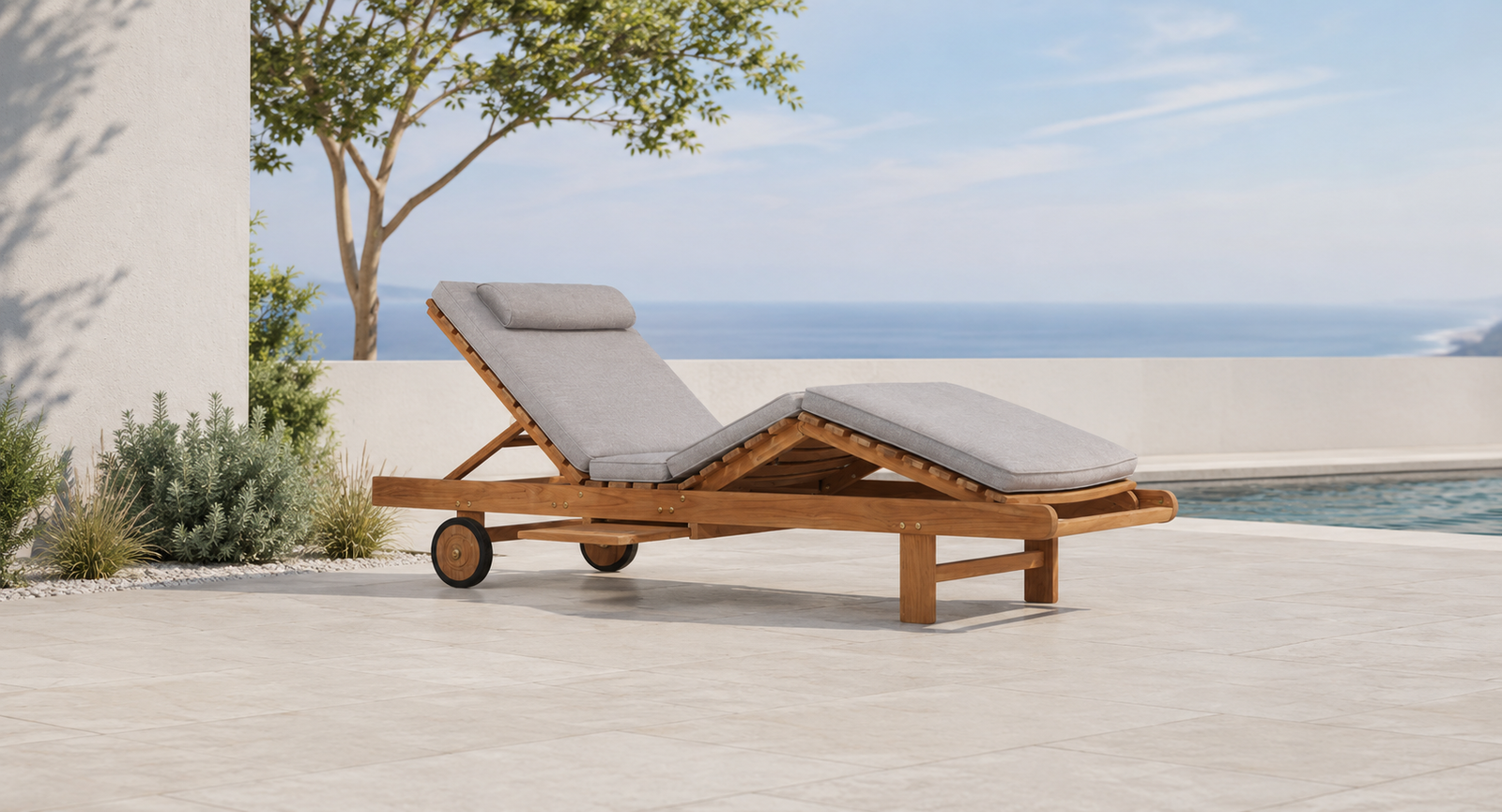
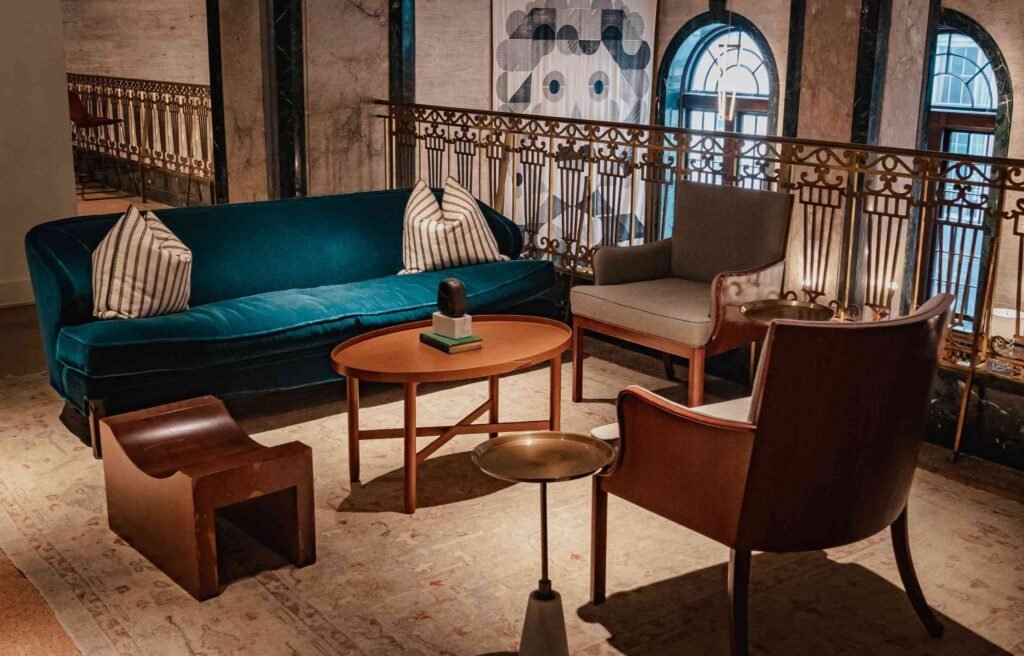
Short answer: Teak is solid wood built with proper joinery and natural insect resistance, so it lasts 10+ years or more. IKEA and other mass-produced furniture is typically particleboard or MDF held together with cam locks, staples, or dowels, and usually starts failing within 1-2 years. Teak costs more upfront, roughly double in some cases, but lasts three to five times longer, which makes it the cheaper option over time, not the more expensive one. This applies whether you’re furnishing a home or procuring furniture for a hotel, resort, restaurant, or cafe.
If you have furnished a home in the last few years, chances are you have bought something from IKEA, or from a brand that follows the same playbook: affordable, flat-packed, ready in a weekend. It works, until it doesn’t.
At Teakia, this is one of the most common conversations we have with customers. They don’t usually come to us first. They come to us after. After the chair legs started wobbling. After the cabinet hinges gave up. After they realised they were about to shop for the same piece of furniture for the third time in five years.
So the question we get, directly or indirectly, is this: why choose teak over IKEA or mass-produced furniture? Having supplied teak furniture Malaysia homeowners and businesses trust for over 20 years, here is the honest answer, built from what we actually see and hear from customers every week.
The Pattern We See Over and Over Again
We don’t have one dramatic story to tell you. What we have is something more useful: a pattern that repeats itself constantly, across hundreds of customers.
People come to us tired. Tired of shopping for furniture every one to two years. Tired of hinges that no longer close properly, legs that start to shake, finishes that wear thin and reveal the cheap material underneath. The daily wear and tear becomes impossible to ignore, and eventually, the piece just falls apart.
What they ask us for next is rarely complicated. They want something strong. Something durable. Something premium that they do not have to think about again for a very long time. Not because they’re sentimental about heirlooms, but because furniture shopping is a hassle, and they would rather solve it once and move on with their lives.
What’s Actually Inside Mass-Produced Furniture
To understand why mass-produced furniture fails so quickly, it helps to know what’s actually inside it. Strip away the laminate or veneer on most flat-pack pieces, and what you find is particleboard or MDF: essentially compressed wood dust and resin, pressed into shape.
It is not an exaggeration to say the inside feels like dust, scraps pressed together to look like real wood from the outside. It can hold a screw for a while. It can look sharp in a showroom under good lighting. But it was never built to take the daily stress of being sat on, leaned on, and lived with for a decade.
The joinery tells the same story. Mass-produced furniture typically relies on cam locks, staples, or dowels: fast, cheap methods designed for assembly-line speed, not long-term load-bearing strength. Teak furniture, by contrast, starts with solid wood and is built using proper joinery techniques like mortise and tenon, the same construction methods that have kept furniture structurally sound for generations. There is no shortcut hiding underneath the finish.
Teak’s Natural Advantage
Teak’s durability isn’t just about how it’s built. It starts with the material itself.
Teak has a naturally high oil content, which makes it resistant to rot and, just as importantly, resistant to insects. Termites generally avoid teak because, quite simply, it tastes bitter to them. They would rather feed on something else. This is not a treatment that wears off over time. It is a property of the wood itself.
Combine premium raw material with proper construction techniques, and the outcome is a piece of furniture that was never designed to be temporary in the first place.
The Real Outdoor Competition: Not MDF, But Metal and Plastic
Here’s something worth clarifying, since Teakia is an outdoor furniture brand: particleboard and MDF were never built to survive outdoors. You won’t find serious mass-produced outdoor ranges made from them, because Malaysia’s humidity and rain would destroy them almost immediately. Outdoors, the real competition for teak is cheap metal and plastic furniture. And the failure pattern there is just as predictable.
Untreated or poorly treated metal frames rust, especially in Malaysia’s humidity and monsoon rain. Plastic furniture fades under constant UV exposure and becomes brittle, often cracking or snapping under normal use within a couple of seasons. Neither holds up to the look or feel that homeowners and hospitality buyers are actually after. If you’re aiming for a premium outdoor space, rusting joints and sun-bleached plastic don’t get you there.
Teak handles this differently. It is genuinely suited for both indoor and outdoor use, which is part of why it remains the material of choice for Malaysia’s tropical climate. We’ve gone deeper into this in our piece on whether outdoor furniture can be left outside year-round in Malaysia, if you want the full breakdown.
The Real Cost Comparison: A Simple Chair Example
Price is usually where the IKEA argument feels strongest, so let’s look at it honestly, using a simple example: a dining chair.
A decent IKEA dining chair typically costs around RM250. A decent solid teak dining chair, even on the lower end of the market, starts at around RM550. On the surface, that’s more than double the price. But the comparison only makes sense when you ask the second question: how long does each one actually last?
| Chair Type | Typical Price | Realistic Lifespan |
|---|---|---|
| IKEA Dining Chair | ~RM250 | 2–3 years |
| Solid Teak Dining Chair | ~RM550 and up | 10+ years |
An IKEA chair at this price point is usually replaced within two to three years. A solid teak chair, properly built, will comfortably last ten years or more. So while the upfront cost is roughly double, the lifespan is three to five times longer. Once you spread that RM550 over a decade instead of replacing a RM250 chair three or four times over the same period, teak is not the more expensive option. It’s the cheaper one.
For a fuller breakdown of teak pricing across different furniture types, our guide on how much teak furniture costs in Malaysia goes into more detail.
Furniture as Fast Fashion
There’s a design angle here too, beyond durability and price.
Mass-produced furniture is, in many ways, the fast fashion of home furnishing. It chases whatever look is trending right now, gets sold cheap, and gets thrown out almost as quickly as it was bought. The style ages out before the material even has the chance to fail.
Teak doesn’t really play that game. It has a charm that, in our opinion, no other material quite replicates: a natural grain that doesn’t go out of style, and a patina that actually improves with age rather than looking dated. You’re not buying into this season’s look. You’re buying something that still feels right in ten years, in a way a flat-pack trend piece rarely does.
Not Just for Homeowners: What This Means for Procurement Teams
This isn’t only a homeowner’s dilemma. We see the exact same pattern with procurement teams at hotels, resorts, restaurants, and cafes; whether they’re furnishing a new property or replacing furniture that has already failed.
In a commercial setting, the 1-2 year failure cycle of mass-produced furniture isn’t just inconvenient, it’s expensive and disruptive. Replacing dining chairs across an entire restaurant, or lounge furniture across a resort, means repeat procurement cycles, repeat budgets, and repeat downtime. The same chair math applies, just multiplied across dozens or hundreds of units.
For commercial and hospitality buyers, we put together a dedicated resource on contract furniture supply, and a broader guide on how to choose a furniture manufacturer in Malaysia for B2B buyers evaluating suppliers.
So, Why Choose Teak Over IKEA or Mass-Produced Furniture?
Strip away the marketing on both sides, and the comparison comes down to something fairly simple: one option is engineered to be replaced, the other is built to be lived with.
Mass-produced furniture gets you through a year or two at a low upfront cost, and then asks you to start the process all over again. Teak asks for more upfront, and then gets out of your way for a decade or more; no wobbling legs, no failing hinges, no finish wearing through to reveal what’s underneath.
If you’re moving into a new place and want to furnish it once and stop thinking about it, or you’re finally ready to upgrade out of furniture that’s already falling apart, that’s exactly the gap teak is built to close.
Curious what proper teak construction actually looks like up close? Browse our outdoor furniture in Malaysia collection, or get in touch with our team for guidance on furnishing your home or property the way it should have been done from the start.